AI
Cutting Mortgage Review Times with AI-Enabled Document Management

CTO / Head of Engineering, AODocs · Oct 27, 2025 · Updated Oct 6, 2026
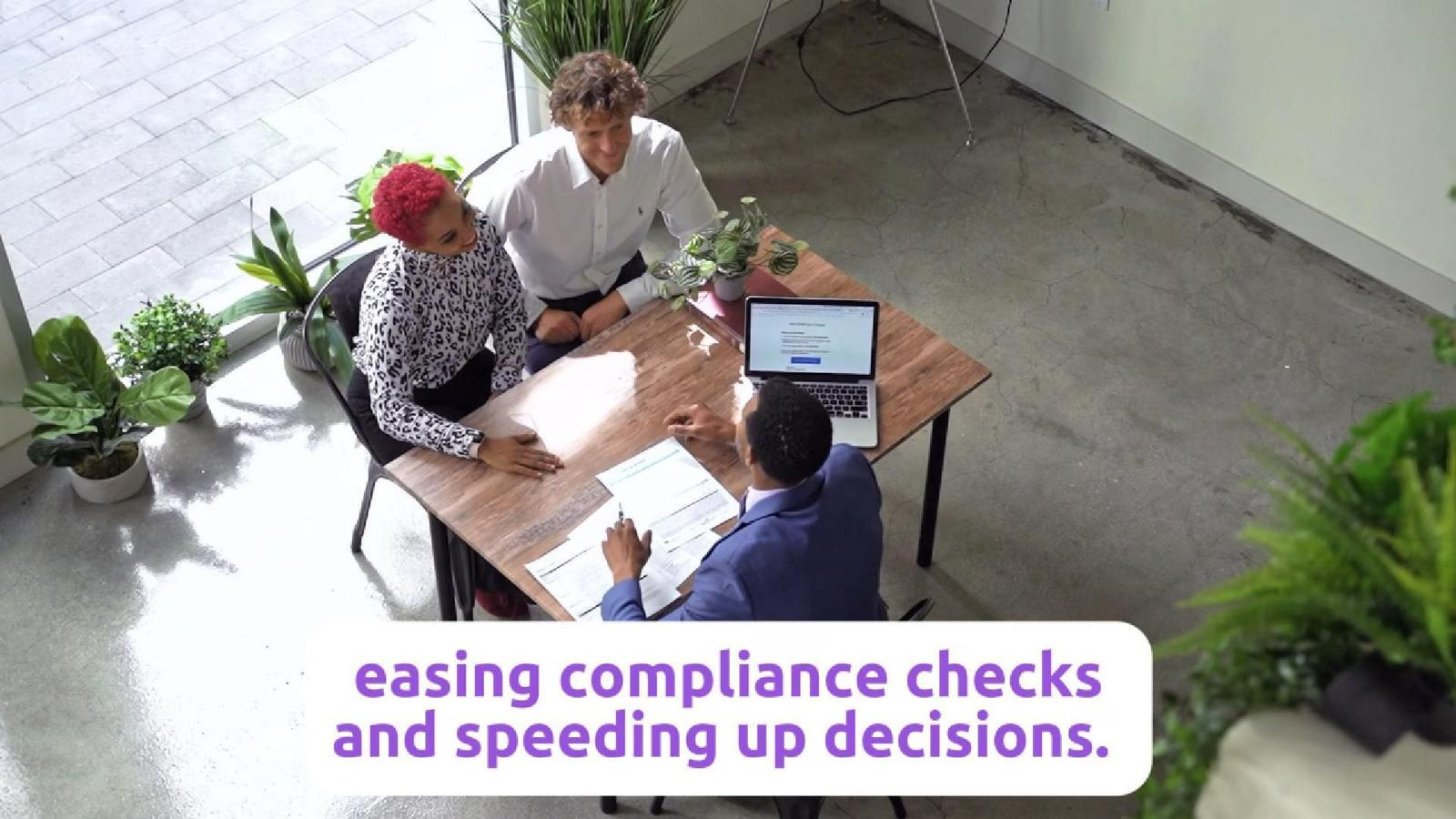
Manual document handling slows down mortgage processing and increases compliance risk. New-generation document management, with AI-assisted review, can now automate data extraction, consistency checks, and summaries for human underwriting review.
The problem with today’s mortgage application workflows
Mortgage applications require loan officers to collect, verify, and archive the documents needed for each applicant, from identity documents and pay stubs to tax returns, purchase agreements, and proof of funds.
The result? Long review cycles, fragmented workflows, and high operational costs. Manual checks not only drain time but also increase the risk of errors, incomplete files, and inconsistent compliance reporting.
What are the key features of AI-enabled document management for lenders and banks?
Recent advances in document management are transforming this process.
With suitable integrations and review rules, AI systems can:
- Ingest files from emails or shared folders
- Classify and archive them in the correct repository
- Extract and cross-verify key data points, such as identity details, employment information, and income figures
- Highlight anomalies or missing documents before they slow down underwriting
Instead of manually comparing numbers across pay stubs and tax returns, loan officers can use AI to flag inconsistencies and summarize submitted financial information for verification.
What are the potential benefits for banking teams?
AI-powered document management doesn’t replace bank employees and underwriters, it empowers them. With reviewer-verified data and records of the configured processing steps, teams can focus on analysis and decision-making instead of repetitive checks.
With validation and human oversight, potential benefits include:
- Shorter turnaround times for loan applications
- Consistent review controls and governance across the documents in scope
- Improved accuracy and auditability
- A better customer experience through faster feedback
How does switching from concept to reality work concretely?
In our latest Mortgage Application Review Demo (see below), we show how these capabilities can come to life using AODocs AI and its assistant AIDA. The demonstration shows configured document capture and consistency checks. It illustrates questions, such as “Do the declared income figures align with the tax returns?” using the application documents selected for review. Reviewers must verify the cited information; the demonstration is not an underwriting decision.
When applied on the correct documents and with proper controls and tagging, AI can assist document review while the lender retains verification and underwriting decisions. Measure processing time and extraction errors on representative files before rollout.
Learn more
- AODocs for Banking and Insurance
- Get your demo now, see it in action
Frequently asked questions
What should happen when mortgage application documents disagree?
Flag the conflicting values for review and keep links to the documents from which they were extracted. The responsible reviewer should determine whether the difference is an extraction error, an outdated document or an issue requiring clarification from the applicant. A consistency check identifies an issue to investigate; it does not establish the correct value by itself.
Does AI document review replace mortgage underwriting?
AI document review assists underwriting by organizing files, extracting data and identifying missing or inconsistent information. The lender still needs its underwriting process and authorized decision makers to assess the application. A document summary or consistency flag is supporting information, not a credit approval or a substitute for the lender's decision controls.
How should lenders test an AI mortgage document workflow before rollout?
Test representative application files, including incomplete submissions and conflicting data. Compare extracted values and flagged issues with a reviewed reference set, then record corrections, reviewer workload and processing time. Verify access controls and the handoff to underwriting. Establish results from that test rather than assuming that a demonstration predicts production accuracy or speed.